Alright, let’s cut the fluff and get straight to the point. We’re here to talk about GoDaddy’s Domain Value Check, the popular tool everyone’s curious about but no one seems to fully understand. If you’ve ever wondered, “How much is my domain really worth?” and then trusted a machine to spit out an answer, this is your wake-up call. This article is going to break down exactly how this whole “domain value” thing works, with GoDaddy as our primary suspect. We’ll look at what this tool does, how accurate (or not) it is, and how you can get a more realistic idea of what your domain is actually worth in the market.

What is Domain Value?
So, what the heck is “domain value,” anyway? You’d think it’s as simple as slapping a price tag on a domain and calling it a day, right? Not quite. Domain value is the price someone is willing to pay for a specific domain name. This is influenced by a cocktail of factors including:
- Keyword relevance: Domains containing popular or trending keywords can fetch higher prices.
- Length: Shorter domains tend to be more valuable because they’re easier to remember and type.
- Brandability: If your domain sounds like it could be the next big brand, you’re in luck.
- Extension: The ever-popular .com domains are still king, though some newer extensions are gaining ground.
- Traffic: Existing traffic to a domain can significantly increase its value.
- Historical sales: Past sales data of similar domains can influence perceived value.
To put it simply, domain value is what someone is willing to pay for it. It’s a digital asset, just like a piece of real estate, only a lot more speculative.
How Do I See How Much My Domain Is Worth on GoDaddy?
Now, if you’re the type who thinks, “Why do the hard work when GoDaddy can do it for me?” then you’re probably itching to know how to check your domain’s value using their tool. It’s as straightforward as it gets:
- Log in to GoDaddy: If you’re not already drowning in their marketing emails, this step requires you to sign up.
- Enter your domain: Plug your domain name into the GoDaddy Domain Appraisal tool.
- Get your estimate: Within seconds, GoDaddy spits out a number, which is supposed to represent what your domain is worth.
The tool provides an estimated value based on a mix of factors like keyword popularity, extension, and comparable sales. But before you pop the champagne thinking you’re sitting on a goldmine, let’s take a closer look at what this estimate actually means.
What is the Estimated Value in GoDaddy?
Let’s not sugarcoat it—GoDaddy’s estimated value is about as reliable as predicting the weather a month in advance. It’s a ballpark figure, and I’m being generous here. This estimate comes from a combination of automated algorithms that look at:
- Similar domain sales: The tool looks at recent sales of domains with similar characteristics.
- Keyword demand: If your domain has popular keywords, the value might get a boost.
- Length and extension: The shorter and more common the extension, the higher the estimate.
The number you see is a rough estimate, not a guaranteed selling price. It’s like getting a Zestimate for your house—you know it’s not the final word, but it gives you a vague idea. GoDaddy’s algorithms do a decent job, but they can’t see the future, and they certainly can’t account for all the nuances of the market.
Is GoDaddy Domain Estimated Value Accurate?
Let’s be brutally honest here: trusting GoDaddy’s domain value estimate is like trusting a magic eight ball for life advice. Sure, it might be right every once in a while, but would you bet your mortgage on it? Probably not.
- Automation bias: The tool relies on algorithms, which can miss the subtleties of human behavior and market trends.
- Limited data: The tool might not have enough sales data to make an accurate comparison, especially for niche or obscure domains.
- No context: GoDaddy doesn’t know if your domain is attached to a business with thousands of loyal customers or if it’s just a shell.
There’s a reason why domain brokers exist—they understand the market in ways an algorithm simply can’t. GoDaddy’s tool is a decent starting point, but you’d be wise to dig deeper before making any big decisions.
How to Check a Domain’s Actual Market Value?
If you’re serious about getting a true read on your domain’s value, you’ll need to go beyond GoDaddy’s estimate. Here’s how you can do it:
- Consult domain sales databases: Websites like NameBio and DNJournal offer extensive databases of past domain sales. Look for domains similar to yours in terms of length, keywords, and extension.
- Hire a domain broker: Professionals like Sedo or Domain Holdings can offer a more nuanced valuation, taking into account market trends and buyer interest.
- Check marketplace listings: Browse through domains listed for sale on platforms like Sedo, Flippa, or Afternic. See what similar domains are being listed for, but remember that listing prices are often wishful thinking.
- Assess traffic and revenue: If your domain already gets traffic, use tools like Google Analytics to track it. A domain that generates revenue through ads or sales is inherently more valuable.
Remember, the “actual market value” of a domain is what someone is willing to pay for it. No tool or expert can guarantee a sale price, but these methods will get you closer to the truth than GoDaddy’s estimate alone.
How Do I See How Much a Domain Sold For?
Curious about how much that snappy domain you’ve had your eye on actually sold for? Here’s how you can find out:
- Use domain sales databases: As mentioned earlier, NameBio is one of the best resources for this. You can search by domain name, keyword, or even the extension to see historical sales data.
- Check auction results: Platforms like GoDaddy Auctions, Sedo, and Flippa often display the final sale prices of domains. This can give you a sense of what buyers are willing to pay in an open market.
- Contact the seller: If a domain was sold privately, you might have to get creative. Reach out to the former owner or use WHOIS history tools to track down previous domain holders and ask them directly (though they might not always spill the beans).
This kind of information can be invaluable if you’re looking to buy or sell a domain, giving you a realistic sense of market value.
What is a Fair Price for a Domain Name?
Alright, let’s wrap this up with the million-dollar question: What’s a fair price for a domain name? The answer, of course, is: it depends. But let’s cut the ambiguity and get practical:
- For generic names: If your domain is something like “Bookstore.com,” you’re sitting on a valuable asset. High five! A fair price here could easily range from thousands to even millions, depending on the industry.
- For brandable names: Names like “Zappo” (before it became a shoe giant) might be less intuitive but have potential. You’re looking at mid-to-high four figures if the name is catchy and memorable.
- For niche domains: If your domain caters to a specific industry or community, like “OrganicPastaRecipes.com,” the value is more modest—likely in the low-to-mid four figures.
The fair price for a domain is ultimately determined by its perceived value to the buyer. If someone sees your domain as the perfect fit for their business, they might be willing to pay a premium. On the flip side, a domain that seems valuable to you might not attract as much attention from buyers.
What About SEO Domains with Built-In Backlinks?
Let’s talk about the secret sauce of domain valuation: built-in backlinks. For those aiming to climb the search engine ladder swiftly, a domain already loaded with quality backlinks can be a game-changer.
The Power of Existing Backlinks
- Instant SEO Boost: Quality backlinks signal search engines that your domain has authority, giving you a head start in rankings.
- Established Credibility: Domains with reputable backlinks come with a pre-packaged trust factor, saving you months of groundwork.
- Potential Traffic: Active backlinks from high-traffic sites can bring immediate visitors straight to your doorstep.
Valuing SEO-Enhanced Domains
Domains enriched with solid backlinks often command higher prices, reflecting their added SEO benefits. However, always balance the cost against the quality and relevance of the backlinks to your specific niche or industry.
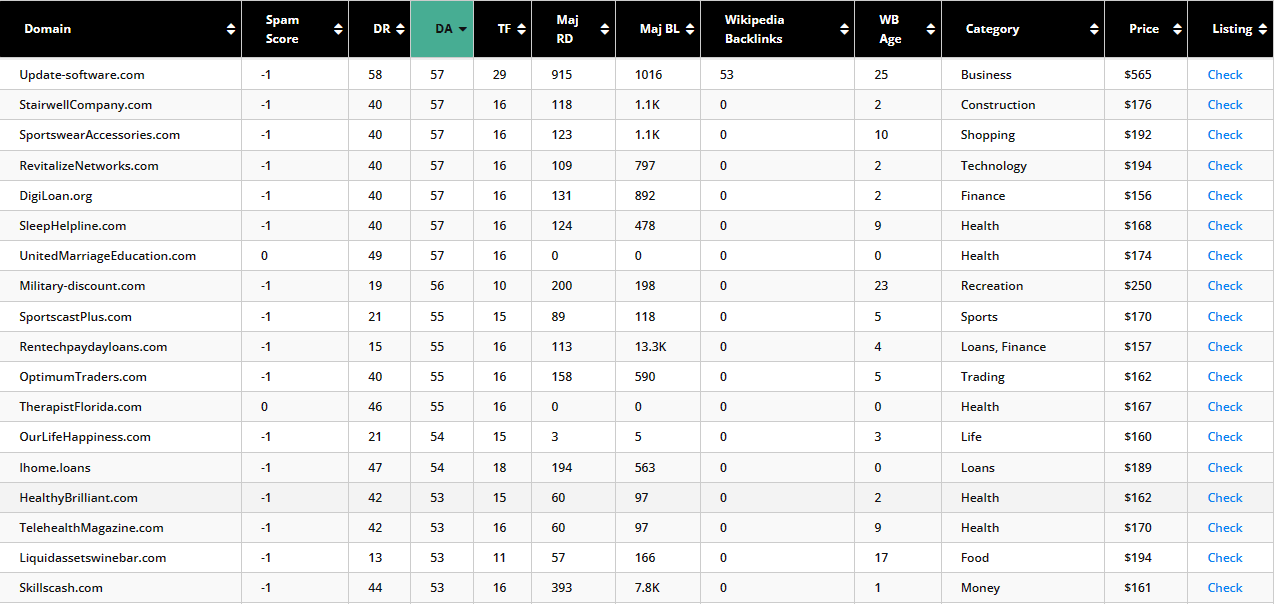
If GoDaddy’s valuation tool cannot be considered 100% accurate in most cases, it is definitely not suitable for this type of domains, because valuing these assets requires a more hands-on and in-depth analysis in order to properly visualize all the elements that comprise their SEO profile, such as metrics, spam, history, age, authority backlinks and many others. In other words, if you want to properly value expired SEO domains you cannot simply rely on algorithmic tools, you have to get your hands dirty so to speak.
Final Thoughts
There you have it, a no-nonsense guide to understanding how GoDaddy’s Domain Value Check works—or doesn’t. If you’re thinking about selling or buying a domain, take GoDaddy’s estimate with a grain of salt. It’s a starting point, not the finish line. Do your homework, consult the experts, and always keep an eye on what’s happening in the market. After all, in the world of domain names, knowledge truly is power—no magic eight balls required.